
Why period replacements need a careful eye
Character kept in view
Proportions, sightlines and visible mouldings are studied before a new window is made.
Better comfort every day
New joinery can work more cleanly while still looking settled in the property.
Choices guided by the house
We judge reproduction, coordination and change against the building, not fashion.
Replacement windows that respect the house first
On a period property, the wrong replacement window can jar from the street before you have even stepped inside. We look closely at the existing opening, frame arrangement, glazing pattern, mouldings and other visible details so the new timber window respects the proportions and character that already define the building. That does not mean living with the faults of tired old joinery, because a properly made replacement should still close securely, resist the weather and work more cleanly day to day. With Blair Joinery Ltd, the aim is to replace the window without losing the reasons it suited the house in the first place.
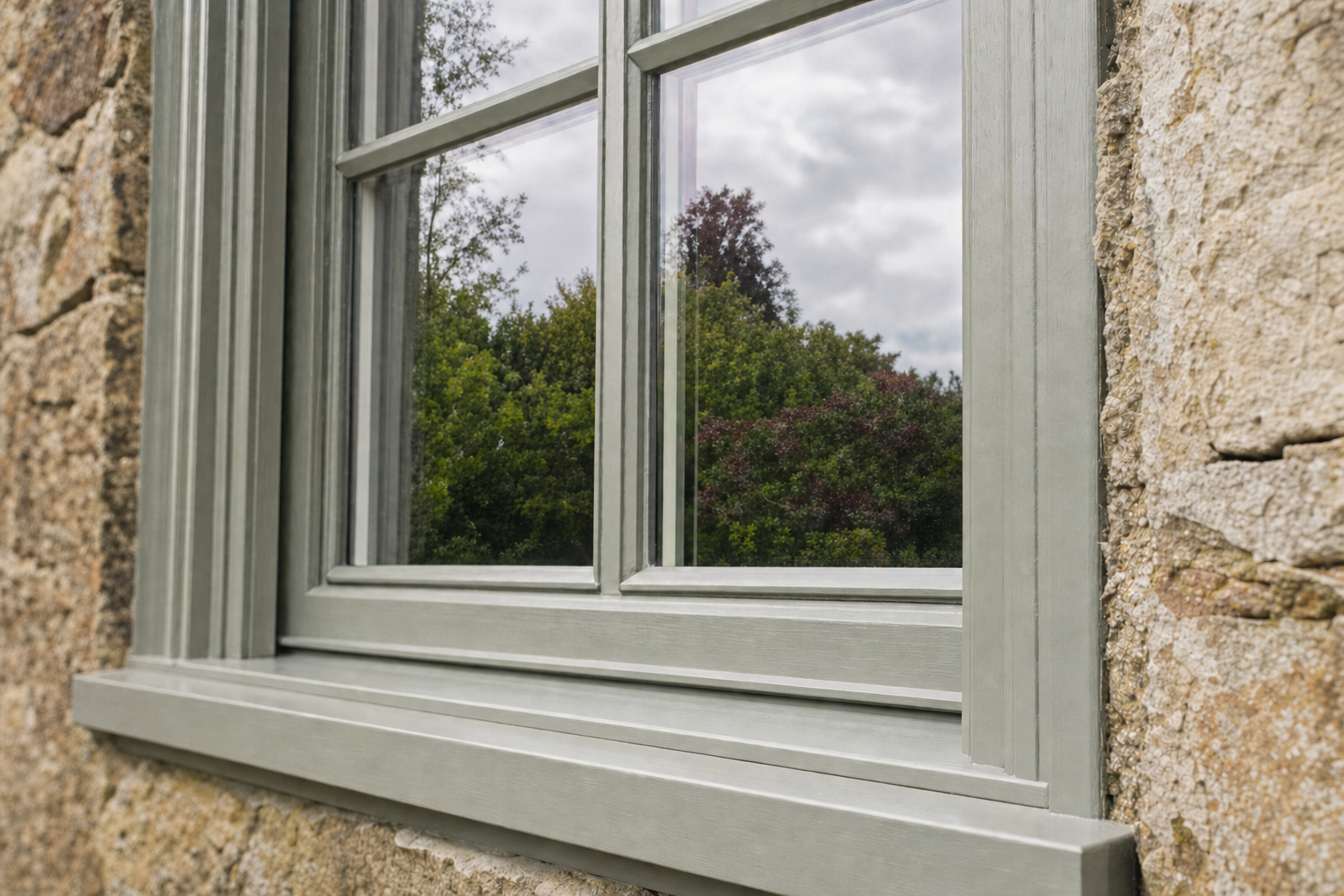
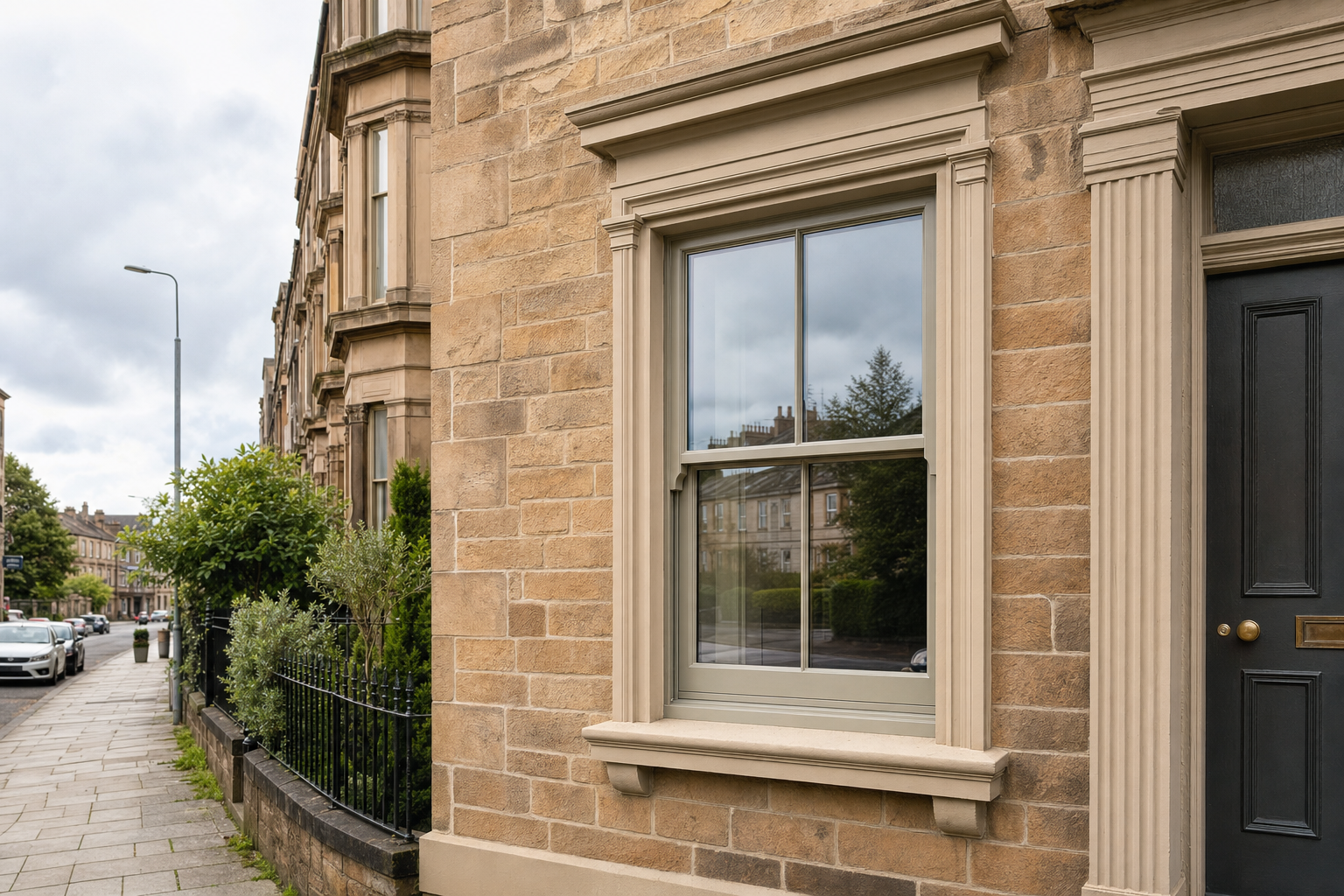
Judging what should stay the same and what should change
Some jobs call for close reproduction. Others are better served by a coordinated set of replacements or by careful adjustments that still feel appropriate to the property. We talk those decisions through instead of treating every period house as identical. Listed status, conservation requirements and other local constraints can also affect how the work needs to be prepared, so it is better to know that early than meet it halfway through. Our projects are planned around the building in front of us, which is usually the safest route when character matters as much as performance.
Frequently asked questions
How close can new windows look to the originals?
That depends on what survives at the property and what condition it is in, but we study the visible details closely before manufacture. In many cases, the new windows can follow the proportions, glazing pattern and overall feel of the originals far more faithfully than a standard replacement ever could.
What if only some windows need replacement now?
That is common, and it means the new work needs to sit comfortably beside the older joinery that remains. We can plan replacements so the proportions and detailing relate properly, which helps the house look coherent now and gives you a clearer route if more windows are changed later.
Do listed or conservation rules affect the job?
They can, which is why we raise that point early. Requirements around appearance, detail or method can affect the specification and preparation. It is far better to understand those constraints before manufacture starts than discover them after decisions have already been made.